A must-read for anyone curious about the emotional side of money—Housel’s stories make finance feel human, not just numbers.
No reviews yet — be the first to share your thoughts.
Sign in to leave a review. Only verified purchasers can submit reviews.
This book is for anyone interested in personal finance, wealth management, or understanding the psychological factors behind financial decisions. It’s ideal for both beginners and experienced investors looking to improve their relationship with money.
This is a non-fiction book focused on financial psychology, wealth-building, and behavioral economics. It presents real-world lessons and case studies rather than fictional narratives.
The book explores themes like wealth accumulation, risk tolerance, greed, happiness, and the emotional aspects of financial decisions. It also discusses historical financial trends and their psychological impacts.
The writing style is clear, concise, and accessible, blending storytelling with practical financial advice. It avoids jargon, making complex concepts easy to understand for a broad audience.
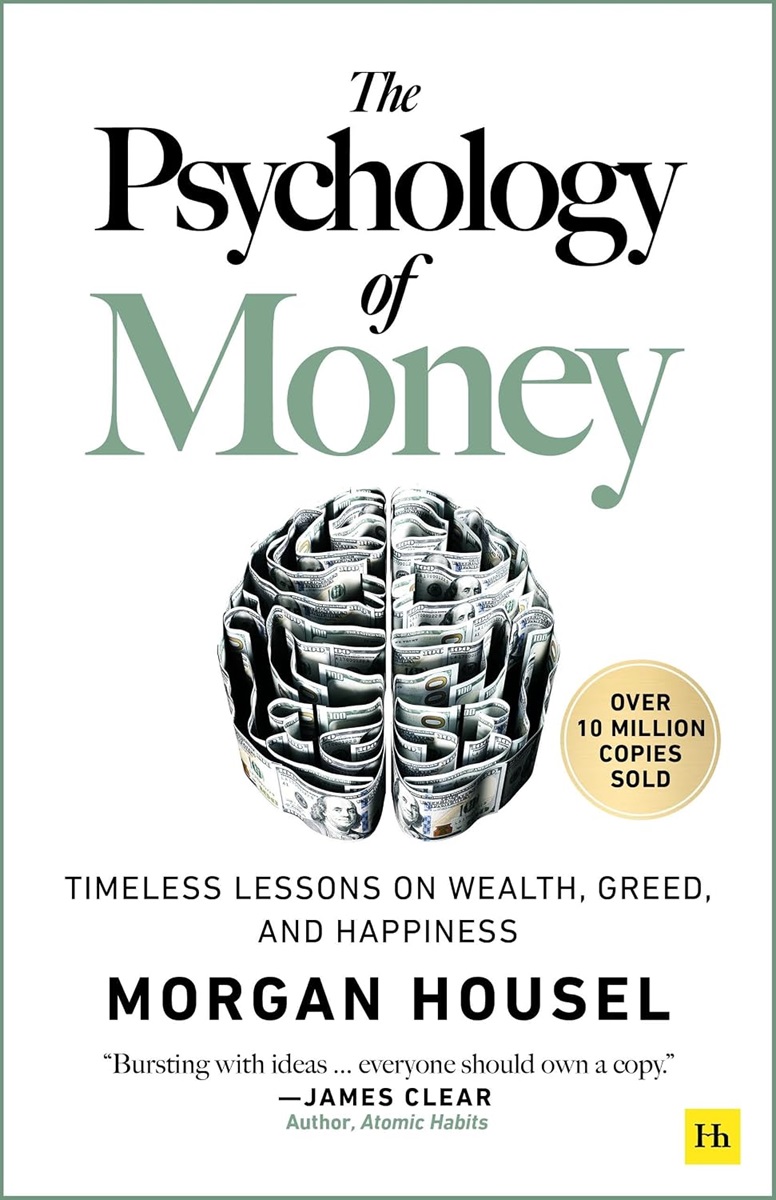
You should read this book to gain timeless insights into how money shapes behavior and happiness. It offers valuable lessons that can improve your financial decision-making and long-term wealth. The Psychology of Money by Morgan Housel is a non-fiction work exploring financial behavior through 19 short stories. The book examines the psychological factors behind wealth, greed, and happiness, drawing on historical and contemporary examples. It centers on the idea that financial success depends less on technical knowledge and more on personal behavior and decision-making. The work addresses how emotions, biases, and societal norms shape financial outcomes, offering practical lessons for managing money and achieving long-term stability. The book is written for general readers interested in personal finance and behavioral economics.
