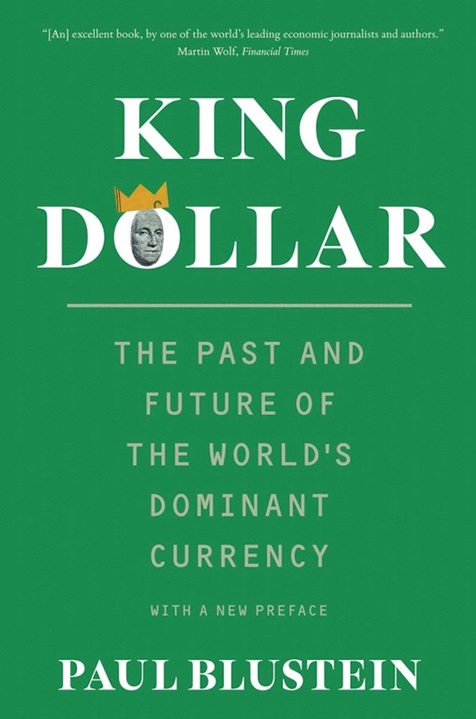
by By Paul Blustein 330 Page, Paperback Publisher Yale University Press Published: Tuesday, 14 Aug 2026
Available on Demand
We import this title specially on order. Send a request and we'll call you to confirm the price and delivery time. Imported orders are confirmed with a 50% advance — the rest is cash on delivery.
For anyone curious about the dollar's enduring global dominance, this book offers sharp insights with clarity and depth. A must-read for economics enthusiasts and policy watchers alike.
No reviews yet — be the first to share your thoughts.
Sign in to leave a review. Only verified purchasers can submit reviews.
This book is for readers interested in global economics, financial history, or the geopolitical role of the U.S. dollar, including policymakers, investors, and students of international relations.
This is a non-fiction book, written by an award-winning economic journalist, based on thorough research and analysis of historical and current financial trends.
The book explores the history of the U.S. dollar’s dominance, its economic and geopolitical implications, and arguments for why it will likely retain its global primacy in the future.
The writing style is clear, analytical, and accessible, blending historical narrative with economic insights to engage both experts and general readers.
Reading this book will provide a deep understanding of the dollar’s enduring global influence, debunk common myths about its decline, and clarify its impact on economies worldwide.Look Inside King Dollar: The Past and Future of the World's Dominant Currency by Paul Blustein (Yale University Press, 2026) examines the historical evolution and current dominance of the U.S. dollar as the world's primary reserve currency. Constructed through economic analysis and historical research, the book centers on the structural, political, and institutional factors sustaining the dollar's global role. It assesses the challenges to this dominance, including shifts in geopolitical power and financial innovations, while weighing the implications for global economic stability. The work addresses the stakes of potential currency transitions, emphasizing the dollar's enduring influence on trade, debt, and monetary policy worldwide.
